
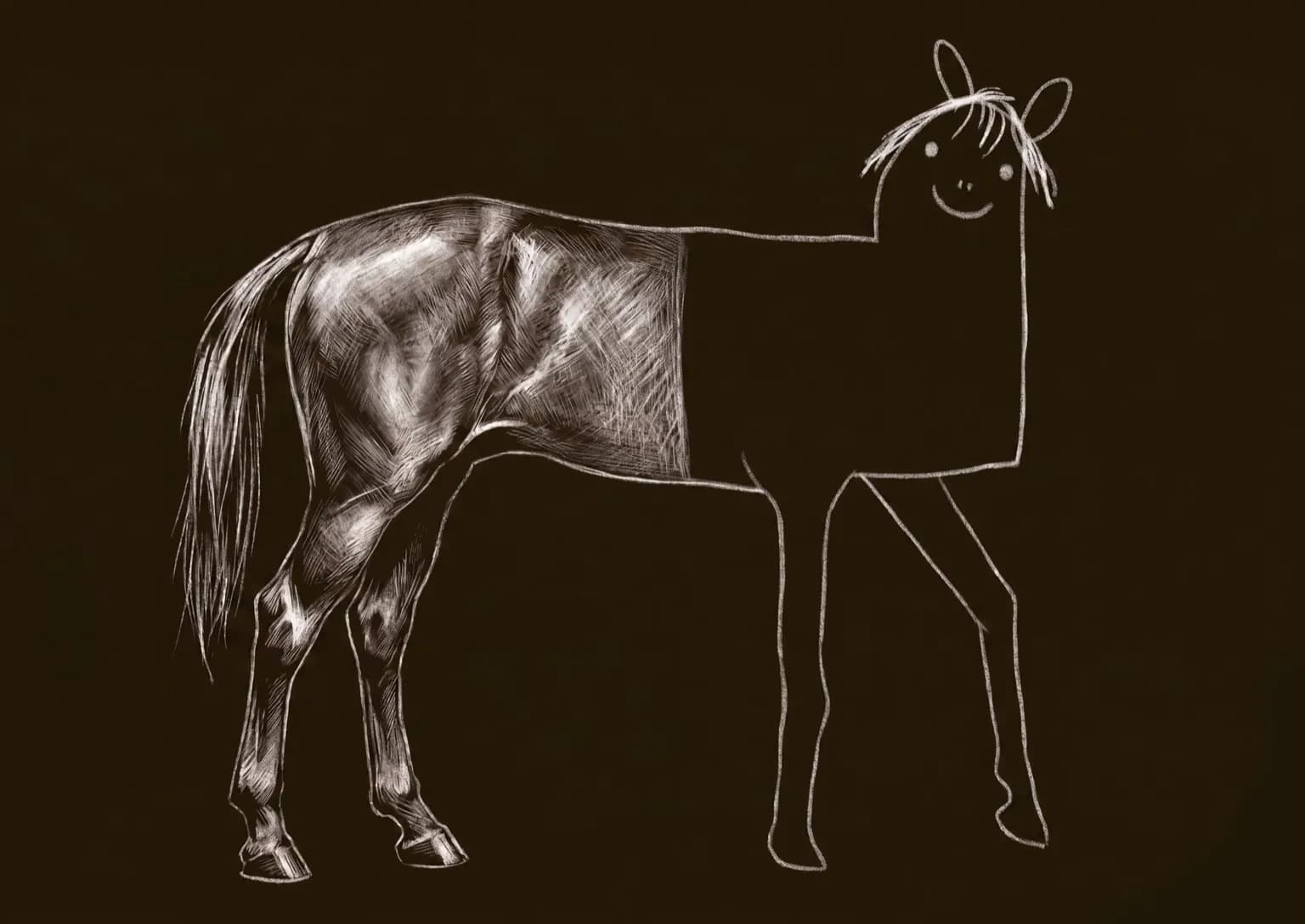
The rise of prop firms has split participants into two camps: trading and what's often called "sim farming." Both involve charts, rules, and payouts, but the intent and outcomes differ.
Trading is about building a repeatable edge in real market conditions – understanding liquidity, volatility, execution, and risk. It's longevity that matters, so focus stays on decision quality, with capital preserved first and grown second.
Sim farming, by contrast, is optimized for extracting payouts from simulated prop accounts. It prioritizes short-term ROI on small fees, often leading to aggressive sizing, rule-gaming, and strategies tailored to the environment rather than the market. It can work, but it's fragile and dependent on rules, resets, and variance.
How sim farming looks in practice
- Buy a $50K account
- Take maximum size on the first few trades
- If you win, scale down and flip profit days
- If you lose, reset with a new account
- Repeat until a payout is hit There are variations to this, but the core is account churn. Traders with some skill keep buying cheap accounts until it finally pays off and then some.
But is it sustainable?
The issue isn't that sim farming doesn't work – it can. The problem is it doesn't transfer. When rules change or real capital is involved, the gap in actual trading skill becomes clear. What looked like profitability often reflects exploiting a system, not understanding markets.
You see somebody boasting $20K in payouts against $15K spent? Sure, it's a positive ROI, but it's not robust trading. Serious traders use prop accounts as a tool to scale a proven edge, not replace one. Skills like risk discipline and adaptability compound and remain portable across firms and conditions.
Don't get us wrong, we are not claiming the moral high ground here. Nothing wrong with exploiting an opportunity – that's what trading is, after all! But are you building a durable skill or are you optimizing for specific tricks? Prop firms monitor this behavior and keep adjusting rules, because they have no interest in paying for sim farming. Be sure, they will keep trying to discourage it.
In the game of whack-a-mole, don't just strive to be a faster mole. Redefine your game.